
Back to News & Events
Blogs • Torre Lorenzo • August 21, 2026
Rainy Season Tips for Students Living in Manila
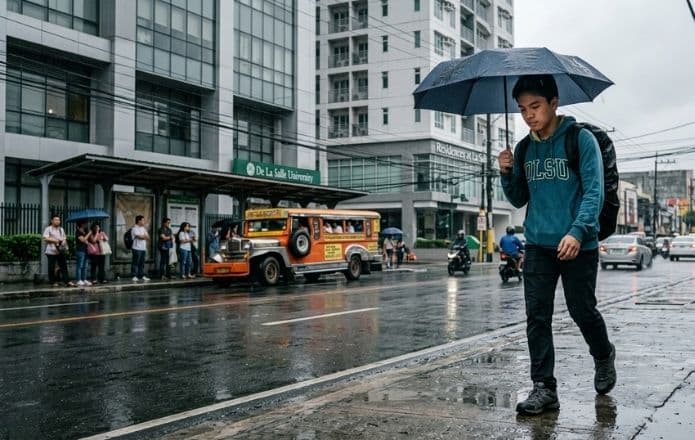
Picture a typical Tuesday morning: dark clouds roll in just as you’re about to leave for class; the jeepney line stretches twice as long as usual, and by the time you reach campus, your shoes are soaked through. For students living in Manila, this isn’t a rare inconvenience; it’s practically a recurring feature of the school year from June through November.
Rainy weather does more than dampen your shoes. It disrupts class schedules, extends commutes from thirty minutes to two hours, and quietly chips away at sleep, focus, and overall well-being when it happens week after week. Students’ juggling requirements, part-time jobs, or organization commitments often feel this most acute.
Preparation helps, but where you live matters just as much. A well-located condominium in Manila, close to campus and built with student life in mind, can turn a stressful season into a manageable one. This article covers both: the practical habits that make rainy days easier, and how your living situation plays into that equation.
Challenges Students Face During the Rainy Season
Manila’s rainy season brings a familiar set of disruptions, and most students experience some combination of all four.
- Longer commutes. Flooding on major thoroughfares and slower traffic flow can turn a short trip into an hour-long ordeal, even for students living relatively close to school.
- Unpredictable class schedules. Sudden downpours, suspended classes, or last-minute shifts to online sessions make it harder to plan a consistent routine.
- Health concerns. Getting soaked repeatedly, combined with crowded transport and irregular sleep, raises the risk of colds, flu, and other seasonal illnesses.
- Academic strain. Missed classes or late arrivals still come with deadlines attached, and catching up while managing wet commutes adds pressure that’s easy to underestimate.
None of these challenges are solvable through willpower alone. They call for a combination of practical preparation and, where possible, choosing the right condo in Manila to reduce daily exposure to the weather.
Essential Rainy Season Tips for Students
How can students prepare for the rainy season? Start with the basics: waterproof your essentials, check the weather before heading out, and keep an emergency kit ready so a sudden downpour doesn’t turn into a full-blown crisis.
A few habits go a long way:
- Carry a compact umbrella or rain jacket. Keep one in your bag permanently during rainy months rather than relying on memory each morning.
- Waterproof your gadgets and documents. A simple resealable pouch protects your phone, laptop, and important papers from sudden splashes or a soaked bag.
- Check weather advisories before leaving home. A quick look at PAGASA’s (Philippine Atmospheric, Geophysical and Astronomical Services Administration) forecast can help you plan your route or leave earlier than usual.
- Keep an emergency kit on hand. Include basic medicine, a power bank, a small flashlight, and a spare set of clothes, useful not just for storms but for any unexpected delay.
- Wear the right footwear. Closed, water-resistant shoes reduce the discomfort (and health risk) of walking through puddles or flooded sidewalks.
These habits reduce daily friction, but they don’t solve the bigger issue: a long, exposed commute is still a long, exposed commute, no matter how prepared you are.
Why Living Near School Makes Rainy Days Easier
Should I live closer to my university? For most students dealing with Manila’s rainy season, yes. Shorter distances mean less time exposed to heavy rain, lower transportation costs, and considerably less stress built into your daily routine.
Math is straightforward. A student living twenty minutes from campus faces a fundamentally different rainy season than one commuting ninety minutes each way. Less time on the road means:
Reduced exposure to flooding, traffic, and unpredictable weather
- Lower transportation costs over the course of a semester
- More time available for studying, rest, or extracurricular activities
- Easier access to restaurants, convenience stores, hospitals, and public transportation when needed
| Living Situation | Typical Commute | Rainy Season Impact |
| Far from campus (1+ hour) | High exposure to traffic and flooding | Frequent late arrivals, higher stress |
| Near campus (walking or short ride) | Minimal weather exposure | More predictable routine, less fatigue |
This is also where the idea of a condo near university starts to make practical sense, not as a luxury, but to remove one of the biggest variables in a student’s daily life.
How Condominium Living Supports Student Life During the Rainy Season

Why choose a condominium in Manila? Because it combines location, security, and amenities in ways that shared housing or long-distance, commuting often can’t, particularly during a season that punishes unpredictability.
A well-managed student condo in Manila typically offers:
- Professional building management. Security personnel, controlled access, and maintenance staff who handle issues quickly, useful when a storm knocks out power or causes minor leaks elsewhere in the city.
- Comfortable, purpose-built amenities. Study lounges, fitness centers, and function rooms give students productive spaces without needing to brave about the weather to find them.
- Reliable utilities. Backup power and water facilities matter more than most students realize until a brownout hits during the final week.
- Walkable access. Being close enough to walk to school, or to a jeepney or tricycle stop, cuts commute-related stress dramatically.
Living in Manila as a student already involves enough adjustment. A condominium designed around these needs removes a layer of unpredictability that a typical rental or dormitory setup often can’t match.
Torre Lorenzo: Designed for Students Who Want Convenience and Peace of Mind
Torre Lorenzo has built its developments around exactly this kind of practical convenience, with university residences in Metro Manila strategically found near leading schools. The goal isn’t just proximity; it’s giving students (and the families supporting them) a living environment that holds up through an entire academic year, rainy season included.
Many parents evaluating these options are also thinking beyond the current semester. A pre-selling unit near a university district generally costs less upfront and offers more flexible payment terms, appealing for families planning years ahead. A ready-for-occupancy unit costs more initially but allows a student to move in at once, which matters if the school year is already underway. Neither is universally better; the right choice depends on the timeline and how soon the unit needs to be lived in.
Beyond location, Torre Lorenzo developments are built with accessibility, security, and thoughtfully designed living spaces in mind, backed by 25 years of real estate development experience in the Philippine market. That track record matters when you’re choosing a home meant to support four (or more) years of student life, not just a single lease term.
Looking for a condominium in Manila that keeps you close to campus while making the rainy season commuting easier? Explore Torre Lorenzo’s property portfolio and discover a home designed for student living. Get in touch with the team for a consultation or visit a model unit to see a development firsthand. Learn more at Torre Lorenzo.