Back to News & Events
Blogs • Torre Lorenzo • September 11, 2026
Viewing a Condo After Heavy Rain? Here's What You Should Pay Attention To
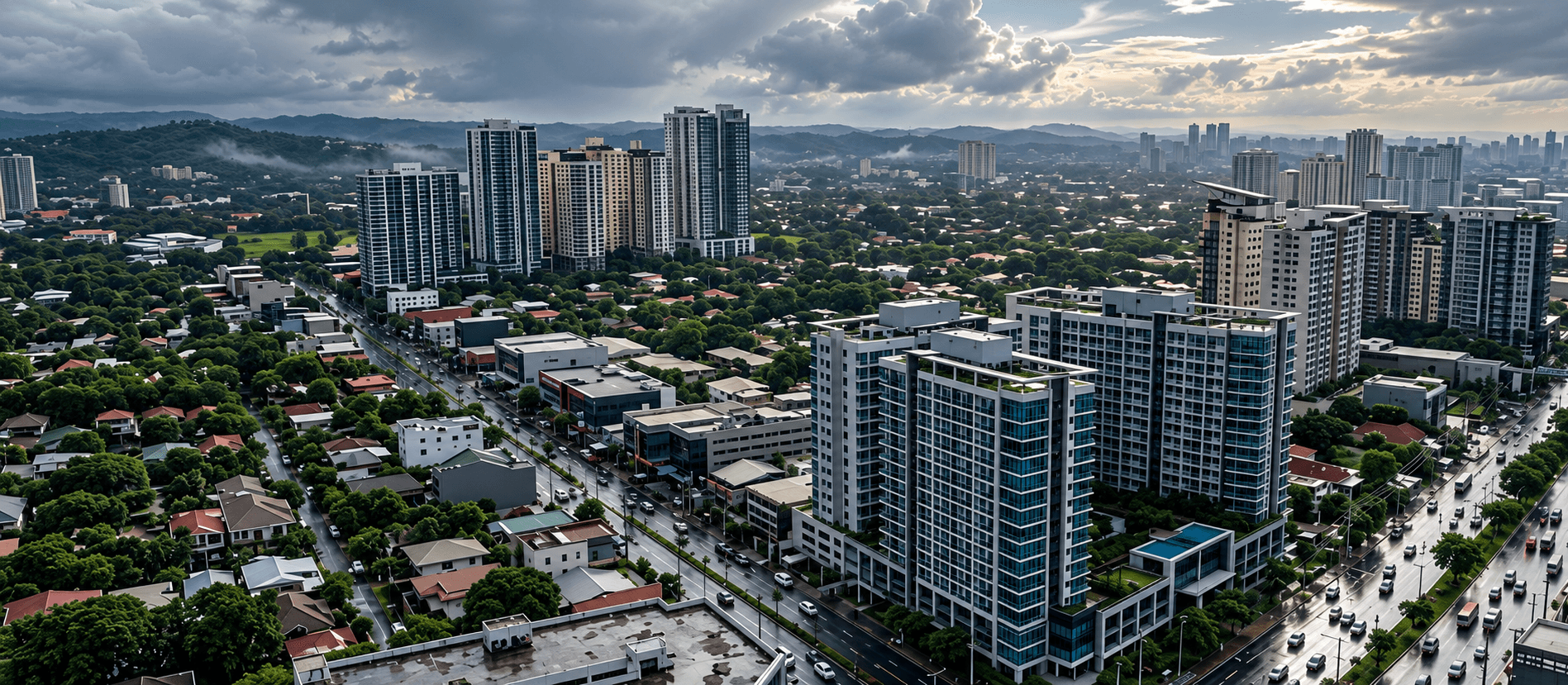
Heavy rain does not necessarily have to ruin property viewing. In fact, it can give you a useful opportunity to see how a condominium performs under conditions that are difficult to assess on a clear, sunny day.
If you are considering a condo in Quezon City, a visit shortly after a downpour can reveal how the unit, common areas, drainage systems, and surrounding roads handle wet weather. Look for moisture around walls and windows, standing water, slow drainage, unusual odors, and accessibility issues outside the development.
A rainy-day visit should not replace a comprehensive condo inspection checklist, but it can help you identify concerns worth investigating before making a decision.
What Should You Check When Viewing a Condo in Quezon City After Heavy Rain?
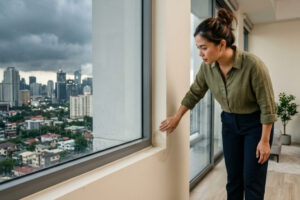
Start with areas where rainwater is most likely to enter or collect. Inspect the unit first, then expand your assessment to balconies, drainage points, common areas, parking facilities, and the building entrance.
1. Walls, Ceilings, and Windows
Inspect walls and ceilings closely, especially those adjacent to the building’s exterior. Damp patches, discoloration, bubbling paint, peeling finishes, or water stains can indicate recent or previous moisture exposure.
Pay attention to window frames. Look for droplets, dampness, stains, or deteriorated sealant around the edges. If you notice anything unusual, ask whether the issue has occurred before and what maintenance or repairs have been performed
Visible moisture does not automatically indicate a serious structural problem. However, signs of condo water leaks deserve further investigation rather than dismissal as merely cosmetic issues.
2. Floors, Corners, and Balconies
Walk through the entire unit and look closely at floor edges and corners near windows, exterior walls, and balcony doors. Moisture may be easier to spot in these areas after prolonged rain.
If the unit has a balcony, check if water is pooling or flowing toward the drain. Standing water may simply be temporary after intense rainfall, but persistent pooling is worth asking about.
For buyers wondering what to check when buying a condo, small observations like this matter because they can provide clues about both construction details and ongoing maintenance.
3. Drainage
A well-maintained condo drainage system should effectively direct rainwater away from areas where it could inconvenience residents or damage finishes.
During your visit, observe any drainage areas that are safely accessible. On balconies and other outdoor spaces, check whether water appears to drain efficiently or remains in large puddles.
You may not be able to inspect the building’s entire drainage infrastructure during an ordinary property viewing, so ask the property representative how rainwater is managed and how drainage systems are inspected and maintained.
4. Common Areas
Your inspection should extend beyond the unit. Walk through hallways, entrances, parking areas, ramps, and shared facilities where accessible.
Look for pooling water, active leaks, stained ceilings, wet floors, or temporary barriers that could indicate recurring water-related concerns. Also observe whether staff have procedures in place to keep frequently used areas safe and accessible during wet weather.
These observations can tell you something important about property management. A condominium is more than the unit you purchase; the condition and upkeep of shared spaces also influence everyday living.
5. Odors and Ventilation
Your sense of smell can sometimes identify a concern before your eyes do. A persistent musty or damp smell may indicate moisture that is not immediately visible.
At the same time, consider the unit’s ventilation. Does the unit feel excessively humid or stuffy? Is there adequate airflow?
An unusual smell alone does not prove that a property has a moisture problem. Instead, treat it as a reason to ask questions and, when necessary, request a closer inspection.
Don’t Forget to Check Outside the Property
The building may perform well during heavy rain while nearby streets tell a different story. Before buying, look at the property’s immediate surroundings and the routes you are likely to use regularly.
Quezon City provides official flood hazard mapping that prospective buyers can consult when researching an area. Its citywide drainage planning also considers natural waterways and man-made drainage infrastructure across all 142 barangays. These resources can provide useful context for what you personally observe during a property visit.
After heavy rain, check:
- Nearby streets and access roads for visible standing water
- Building entrances and pedestrian routes for pooling
- How easily vehicles can enter and leave the property
- Routes to major roads and public transportation
- Access to workplaces, schools, supermarkets, healthcare facilities, and other everyday destinations
For example, a student or parent evaluating a residence near a university should consider more than the distance shown on a map. The more practical question is whether that route remains convenient under the conditions residents may encounter throughout the year.
Ask the property representative what the neighborhood is typically like during prolonged rainfall. Their response, combined with your own observations and official hazard information, can give you a more complete picture.
Ask the Right Questions Before You Decide
Some issues cannot be properly evaluated simply by walking through a unit. Prepare questions during condo inspection so you understand how development is managed.
1. How does the property manage rainwater and drainage?
Ask about the building’s drainage approach and how drainage areas are inspected and maintained.
2. How are common areas maintained during periods of heavy rain?
Find out how management responds to wet floors, pooling, leaks, and other rain-related concerns.
3. Are there procedures for addressing leaks or water-related maintenance concerns?
Ask how residents report problems, who respond, and what the usual process is for repairs.
4. Who manages and maintains the property?
Property management affects the condition of common spaces, building systems, and amenities long after turnover.
5. How accessible are surrounding roads during heavy rainfall?
Ask about typical conditions rather than relying only on what you happen to see during one visit.
For pre-selling properties, due diligence should also extend to project documentation. The Department of Human Settlements and Urban Development (DHSUD) advises prospective buyers to ask for a project’s Certificate of Registration and License to Sell before transacting.
The broader lesson is simple: evaluate not only what a property looks like today, but also how it is designed, managed, and maintained for the years ahead.
Look Beyond the Rain When Choosing a Condo in Quezon City
Rainy-day viewing can reveal useful information, but weather performance is only one part of a sound property decision.
When evaluating a condo in Quezon City, consider location and everyday accessibility alongside construction quality, unit design, amenities, property management, and the developer track record. Think about how these factors work together to support your routine rather than assessing each feature in isolation.
This broader approach is relevant when exploring Torre Lorenzo’s residential properties. Torre Lorenzo Development Corporation emphasizes strategic locations, sensible amenities, and proactive property management across its developments.
For buyers considering Loyola Heights, Torre Lorenzo Loyola East Tower is a ready-for-occupancy residential condominium in Quezon City. Torre Lorenzo describes the property as being within a five-minute walk of Ateneo de Manila University, with studio and one-bedroom layouts and amenities designed for students and young professionals
The larger Torre Lorenzo Loyola development also includes West Tower and Gallery at Torre Lorenzo Loyola, giving buyers additional options to consider depending on their preferred unit type and stage of development.
Ultimately, viewing a property after heavy rain is valuable because it gives you another perspective on everyday livability. Use what you see as part of your condo inspection checklist, ask follow-up questions when something seems unusual, and consider both the property and its surroundings before deciding.
If you are exploring a condo in Quezon City, you can visit Torre Lorenzo to review its residential developments or contact Torre Lorenzo to ask about property availability, pricing, and options that fit your needs.