
Back to News & Events
Blogs • Torre Lorenzo • December 23, 2025
Adulting 101: Time Management Tips for Solo Living

College is more than just lectures and exams — it’s also your training ground for the real world. From managing your time and budget to handling everyday responsibilities, “adulting” can feel overwhelming at first. Adulting 101 is Torre Lorenzo’s series of simple, practical guides to help you build habits, stay organized, and make the most out of student life.
For this entry, let’s talk about time management. Time feels like one of the hardest things to manage when you’re a student. Between classes, org work, social life, and everyday chores, the days can feel too short and your to-do list too long. That’s why learning time management early is one of the most valuable ‘adulting’ skills you can build. It’s about finding balance, avoiding burnout, and making room for both responsibilities and the things you enjoy.
Calendar your activities
Start by writing everything down: exams, projects, org meetings, family events, even social plans. List them in your planner or phone as soon as you learn about them, and set reminders so nothing slips through the cracks. For bigger projects, break them into mini-deadlines to stay on track.
Digital tools like Google Calendar or Notion make it easy to schedule, color-code, and receive alerts. But if pen-and-paper works better for you, use it. What matters is that your deadlines are laid out where you can see them clearly.
Prioritize the right tasks
When everything feels urgent, learn to sort tasks wisely. You can organize them based on deadlines. Choose what’s due first, what can wait, or what needs more time to finish. You can also prioritize by impact. Focus first on tasks that affect your grades the most, like exams or major papers.
On the flip side, if something takes less than an hour, finish it right away to free mental space. This makes your to-do list lighter and helps you focus on more important work. Always set alarms or reminders so you don’t lose track of priorities.
Allot times in a day
Once you know your priorities, make time for them. You won’t “find” time – you have to create it. Assign blocks in your day for studying, chores, meals, and rest. This helps you stay in control of your day instead of rushing from one task to another.
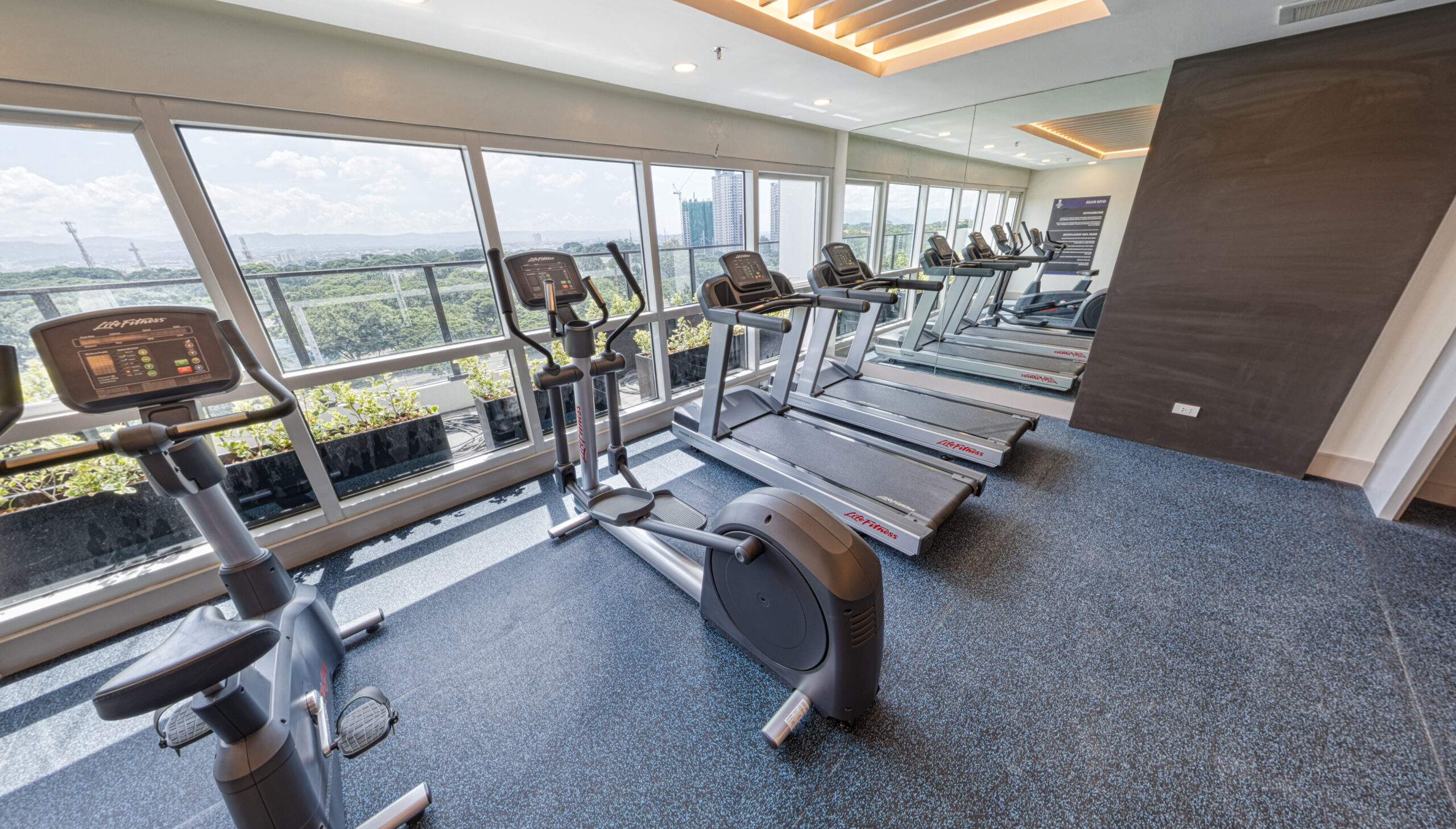
Be realistic. Study in focused bursts, but balance it with short breaks or physical movement. If you live in a Torre Lorenzo residence, use your building’s fitness centers or open spaces for quick workouts or walks. Over time, this habit of time-blocking helps reduce stress and gives each day a sense of rhythm and purpose.
Personalize your schedule
Time management isn’t one-size-fits-all. Build a routine that works for you. Think about what time of the day when you’re most alert and match your most demanding tasks to those hours. Adjust your sleeping habits, study times, meals, and exercise accordingly.
Be honest about your work style. If you procrastinate often, break tasks into smaller steps and set earlier mini-deadlines. If you tend to overwork, schedule reminders to rest. The goal is a schedule that helps you stay productive and healthy, not one that burns you out.
Know when your energy levels peak
Everyone has natural energy highs and lows during the day. Instead of forcing yourself into a rigid routine, observe your peak hours. Use high-energy times for deep work, like reviewing lectures, writing papers, or studying tough subjects. Use lower-energy moments for light work like organizing notes, doing errands, or tidying your room.
By aligning your tasks with your energy, you work smarter in getting more done in less time and with less stress.

Know yourself and your capabilities
Take time to understand how you work best. Do you absorb lessons better in group discussions? Try studying in common areas, cafés, or your condo’s study lounges. Prefer silence? Use Torre Lorenzo’s residents’ lounge for focused work.
Choose tools that match your style: digital apps or traditional planners, sticky notes or alarms – whatever keeps you consistent. Make sure your schedule also includes rest. Time management isn’t just about doing more; it’s about managing your energy and mental space.
Set your deadline as the day before
If you procrastinate or work better with pressure, set your personal deadline one day before the actual one. This creates a safety buffer for revisions, printing issues, or last-minute changes. It takes away panic and gives you time to submit more polished work. Over time, this trains you to work ahead instead of cramming the night before.
Save time on errands
Errands can steal more time than you think. Instead of doing them randomly, batch them. Do laundry, buy groceries, and pick up printed materials in one trip. If you live in a Torre Lorenzo condo, this becomes easier since convenience stores, laundry services, cafés, and printing shops are just steps away. Batching errands saves travel time and mental effort, giving you more hours to relax or study.
Learn to say “no”
College offers endless opportunities like orgs, hangouts, events, trips, but you don’t have to say yes to everything. If your schedule is full or your health is suffering, it’s okay to decline. Saying “no” makes space for things that truly matter, like rest, academics, or your well-being.
Know when to shut down
All-nighters might seem normal in college, but sleep is still essential. Studying while tired makes your brain absorb less and slows your thinking. Know when to stop for the night. Step away from screens, dim the lights, and give your mind time to rest.
Create a simple night routine like reading, stretching, or journaling. Enough sleep helps reset your body clock, sharpen focus, and keep you healthy. Rest is part of productivity, not the enemy of it.
Be flexible
Even with a solid plan, life happens. You might get sick, receive a surprise assignment, or face a family emergency. When your schedule gets disrupted, don’t panic. Pause, adjust, and rearrange tasks based on priority. You’re being realistic. Treat your schedule as a guide, not a rulebook. The goal of time management is to help you adapt and still move forward, not to keep you locked into a rigid plan.
Once you get the hang of prioritizing your tasks and managing your time consistently, it begins to feel less like a chore and more like second nature. The primary goal is to turn these time management strategies into habits you don’t even have to think twice about. At first, it may take effort to plan your day, stick to schedules, or say no to distractions, but with repetition and patience, these actions become natural.
Soon enough, you’ll feel more in control, less stressed, and more present in both study and rest. You’ll have time for hobbies, friends, and yourself. That’s when time management stops being a rule and becomes a lifestyle.